Graphite
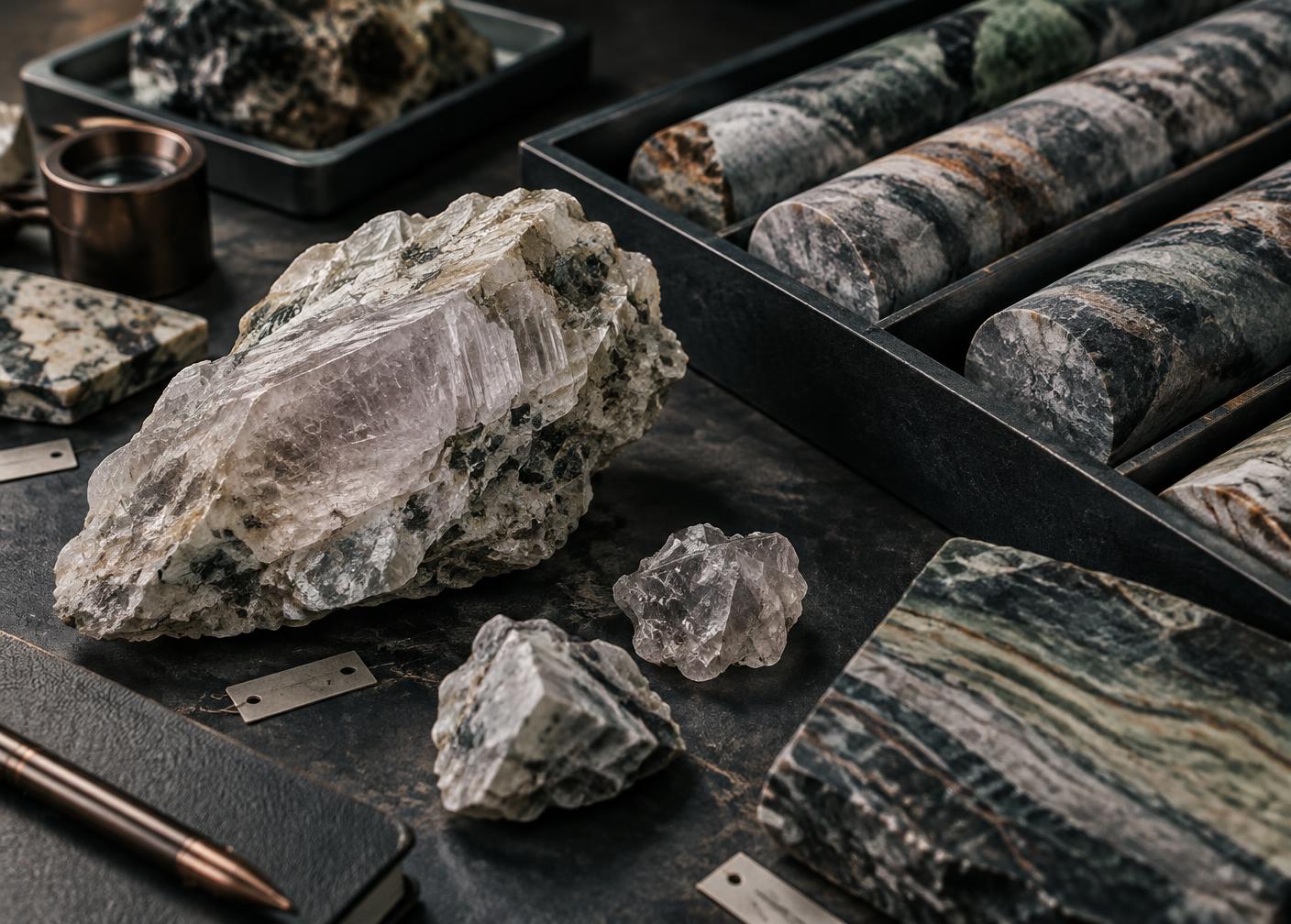
Crystalline carbon and the dominant anode material in every commercial lithium-ion cell.
Why it matters
A battery contains more graphite by weight than any other critical mineral, yet the supply chain is the most concentrated of all.
Supply and sustainability
- Applications
- Battery anodes, Refractories, Steelmaking electrodes, Lubricants, Nuclear moderators
- Supply risk
- High. Anode-grade spherical purification is almost entirely located in one country.
- Geopolitics
- China supplies the large majority of natural flake graphite and virtually all spherical graphite processing; export controls have been used as leverage.
- Substitutes
- Synthetic graphite from petroleum needle coke substitutes directly, at a higher energy cost; silicon anodes are blending in.
- Recycling
- Early stage. Anode graphite recovery is technically feasible but not yet economic at scale.
- Sustainability
- Purification with hydrofluoric acid is chemically intensive; thermal purification is cleaner but energy hungry.
- Forecast
- Anode demand outpaces flake supply growth; ex-China qualification is the binding constraint.
- Key countries
- 4 tracked producer and processing roles
Earthern Strategic Score 82
Version v0.1
- Demand Outlook
- 87 (weight 1.2) — Projected demand growth relative to the broader mineral economy over the next decade.
- Supply Risk
- 77 (weight 1.2) — Likelihood of supply falling short of demand, accounting for project pipeline and lead times.
- Geographic Concentration
- 91 (weight 1) — How concentrated mining and processing are across countries and companies.
- Geopolitical Risk
- 88 (weight 1) — Exposure to export controls, sanctions and jurisdictional instability.
- Technology Importance
- 87 (weight 1.1) — How central the mineral is to strategically important technologies.
- Strategic Importance
- 87 (weight 1) — Recognition in national critical mineral lists and defence supply chains.
- Substitutability
- 80 (weight 0.8) — How readily the mineral can be replaced without material performance loss. Higher is harder to substitute.
- Recycling Potential
- 71 (weight 0.7) — Ability of secondary supply to relieve primary demand. Higher means less relief available.
Mines, projects and refineries
Related intelligence
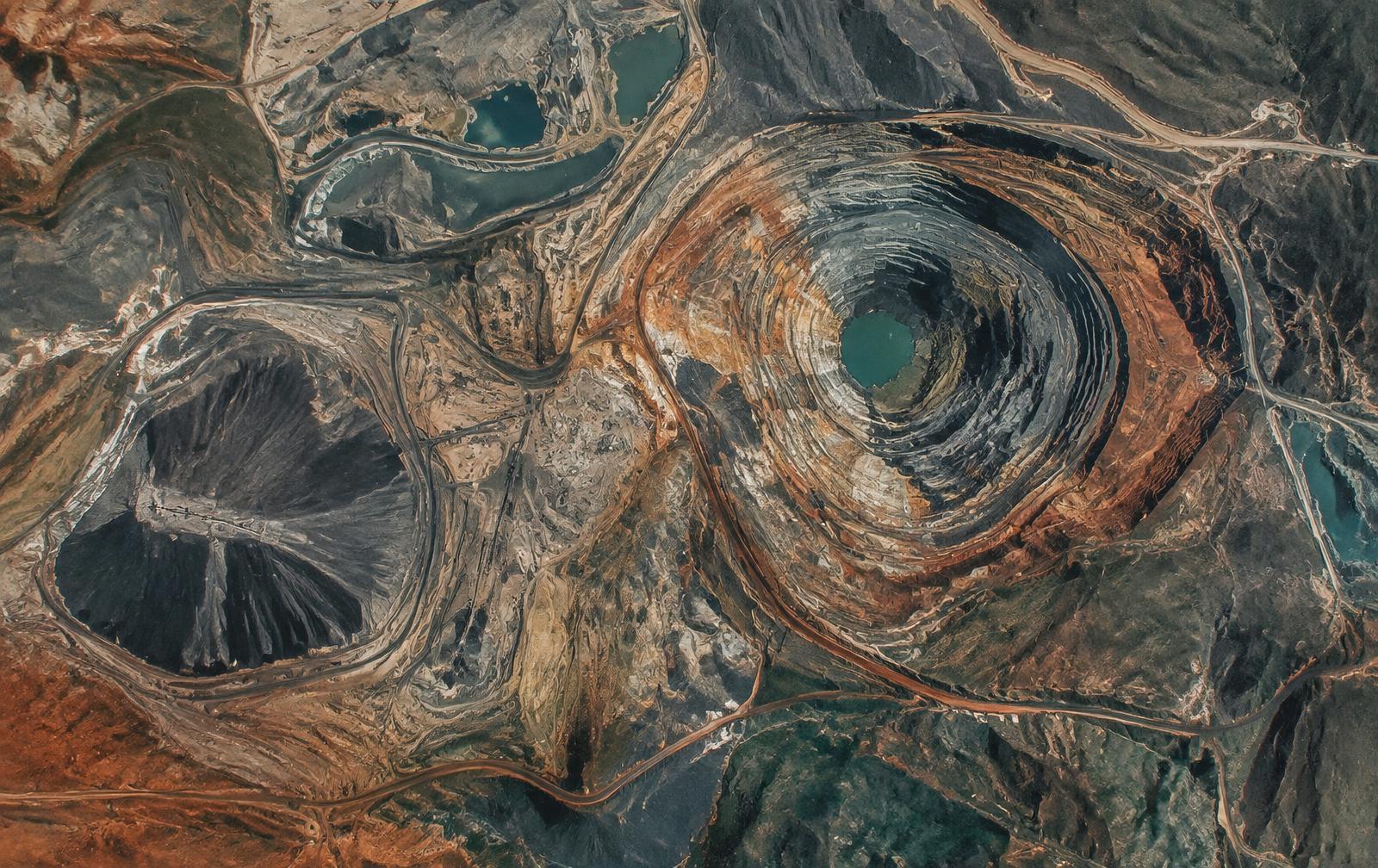
Lithium oversupply meets a structurally growing demand base
Price weakness has curtailed marginal supply while underlying consumption continues to expand.
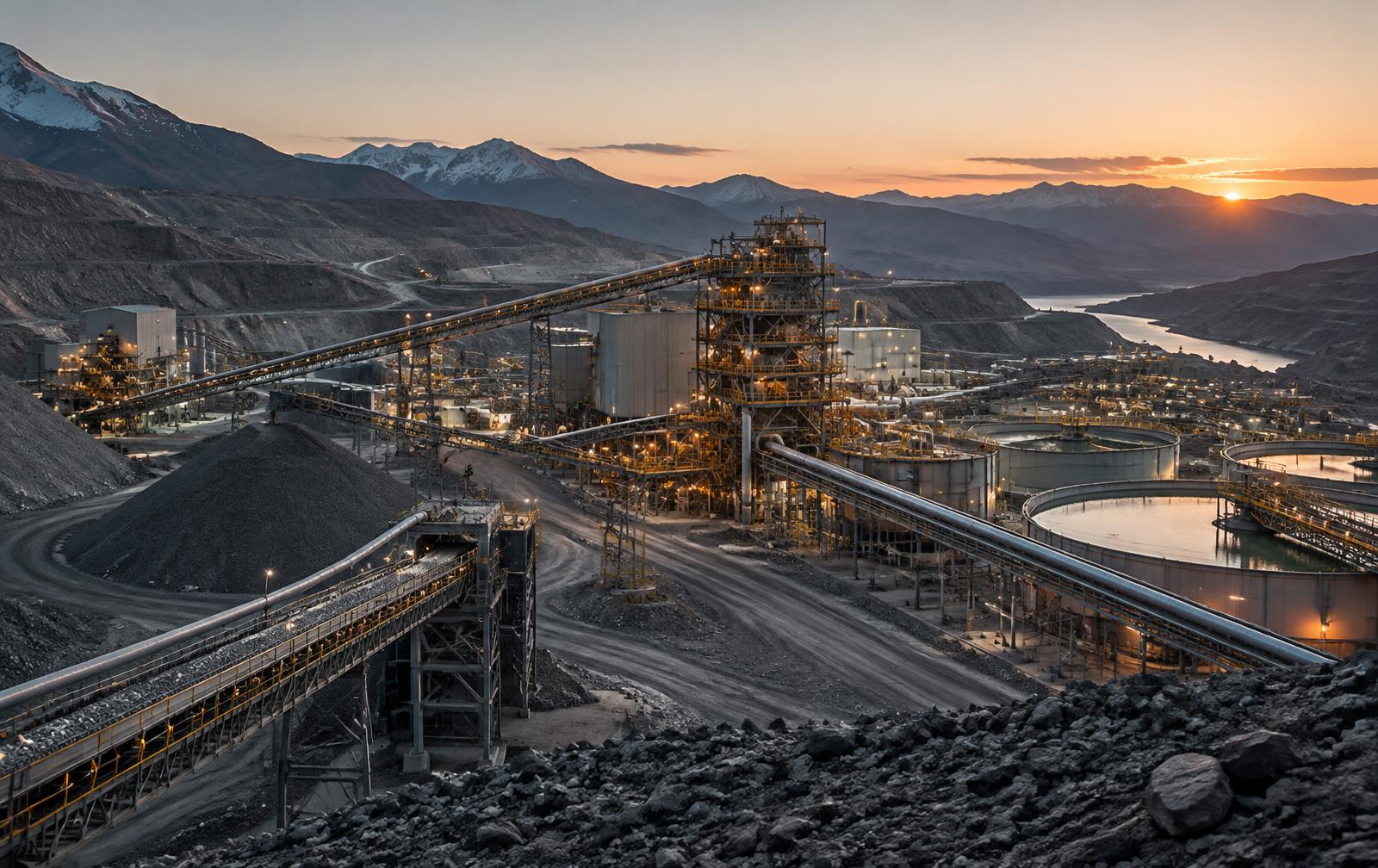
Anode qualification is the slow step in ex-China graphite plans
Building a purification plant is capital. Qualifying its output in a cell is time.
Related minerals
Lithium
The lightest metal and the irreplaceable charge carrier in current lithium-ion battery chemistries.
Cobalt
A cathode stabiliser that improves battery energy density and cycle life, produced mostly as a copper by-product.
Nickel
A corrosion-resistant metal essential to stainless steel and to high-energy-density battery cathodes.
Manganese
An essential steel additive and a growing battery cathode component.