Lithium
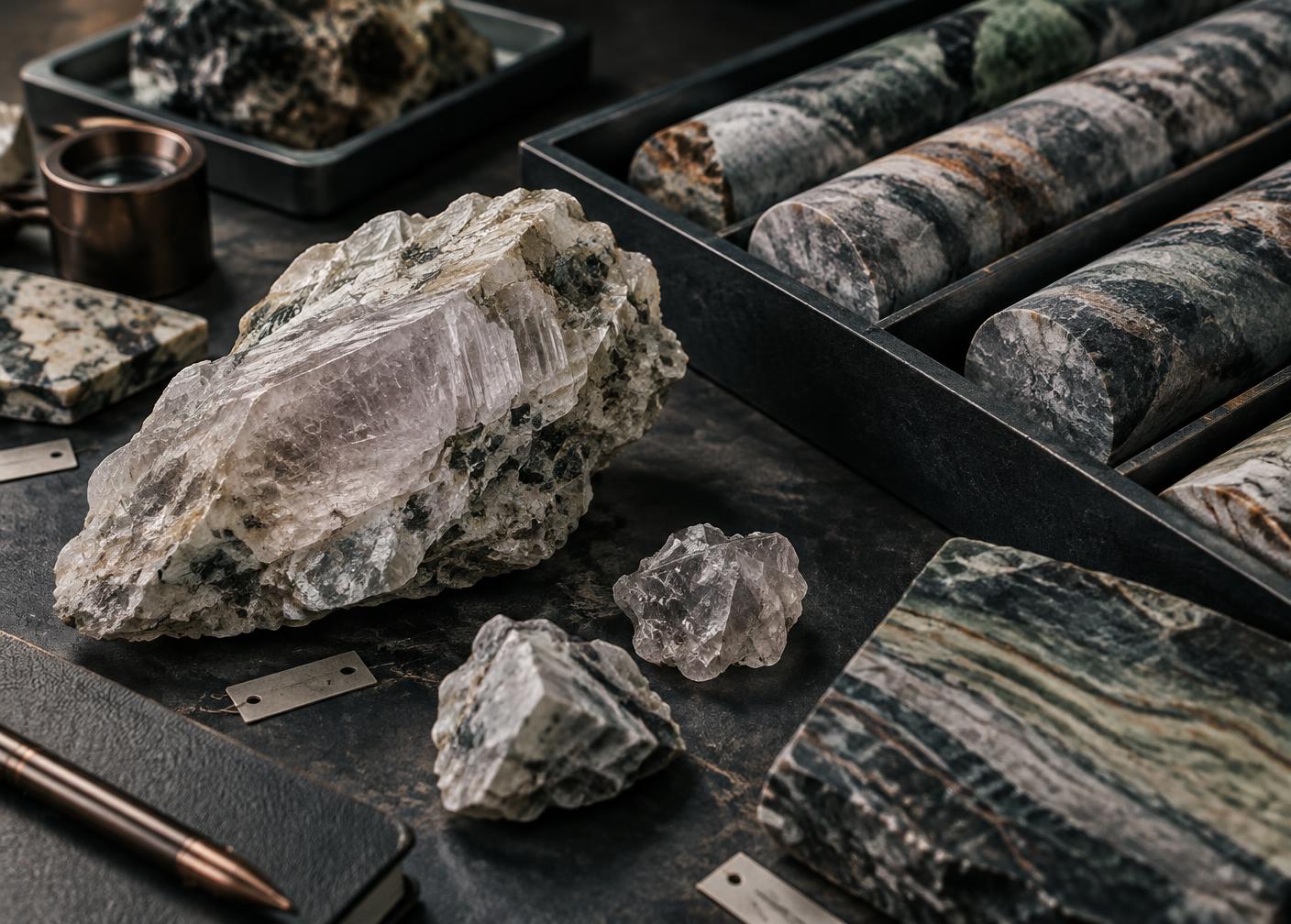
The lightest metal and the irreplaceable charge carrier in current lithium-ion battery chemistries.
Why it matters
No commercial battery chemistry at scale replaces lithium. It sits at the centre of vehicle electrification and grid storage.
Supply and sustainability
- Applications
- EV batteries, Grid-scale storage, Consumer electronics, Ceramics and glass, Lubricating greases
- Supply risk
- Moderate. Resources are abundant; the constraint is conversion capacity and the pace of project delivery, not geology.
- Geopolitics
- Australia and Chile dominate raw supply while China dominates chemical conversion to battery-grade hydroxide and carbonate.
- Substitutes
- Sodium-ion is commercialising for stationary storage and entry-level vehicles, capping the upside price scenario.
- Recycling
- Emerging. Battery recycling volumes remain small but scale rapidly after 2030 as first-generation EV packs retire.
- Sustainability
- Brine extraction raises water questions in the Atacama; hard-rock mining is energy intensive but water-light.
- Forecast
- Volatile pricing over a structurally growing demand base; oversupply phases are likely to alternate with sharp deficits.
- Key countries
- 6 tracked producer and processing roles
Earthern Strategic Score 84
Version v0.1
- Demand Outlook
- 91 (weight 1.2) — Projected demand growth relative to the broader mineral economy over the next decade.
- Supply Risk
- 84 (weight 1.2) — Likelihood of supply falling short of demand, accounting for project pipeline and lead times.
- Geographic Concentration
- 90 (weight 1) — How concentrated mining and processing are across countries and companies.
- Geopolitical Risk
- 88 (weight 1) — Exposure to export controls, sanctions and jurisdictional instability.
- Technology Importance
- 92 (weight 1.1) — How central the mineral is to strategically important technologies.
- Strategic Importance
- 89 (weight 1) — Recognition in national critical mineral lists and defence supply chains.
- Substitutability
- 76 (weight 0.8) — How readily the mineral can be replaced without material performance loss. Higher is harder to substitute.
- Recycling Potential
- 76 (weight 0.7) — Ability of secondary supply to relieve primary demand. Higher means less relief available.
Mines, projects and refineries
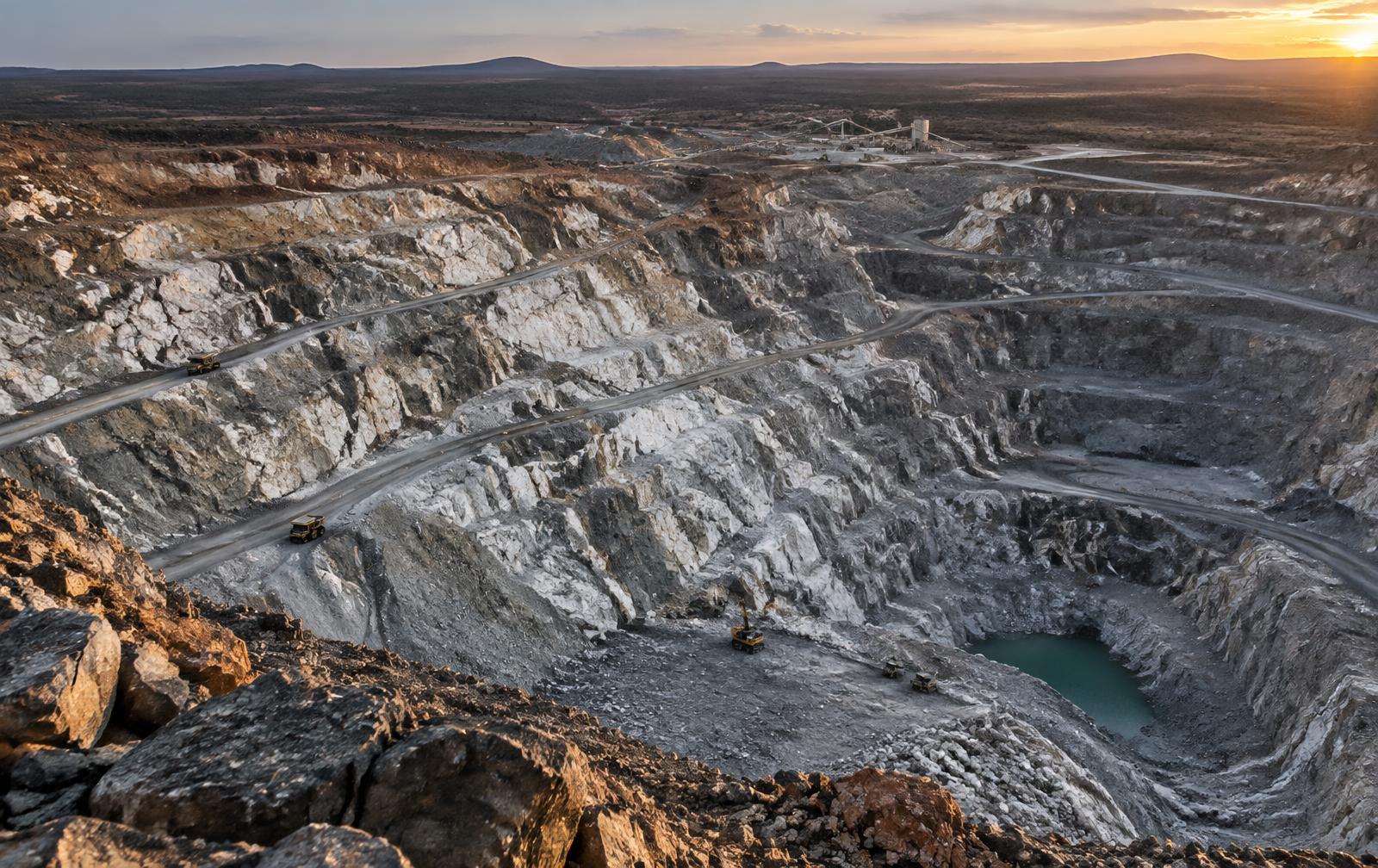
Cauchari-Olaroz
A high-altitude brine operation representing the new wave of Argentine lithium supply.
Greenbushes
The largest and highest-grade hard-rock lithium mine in the world.
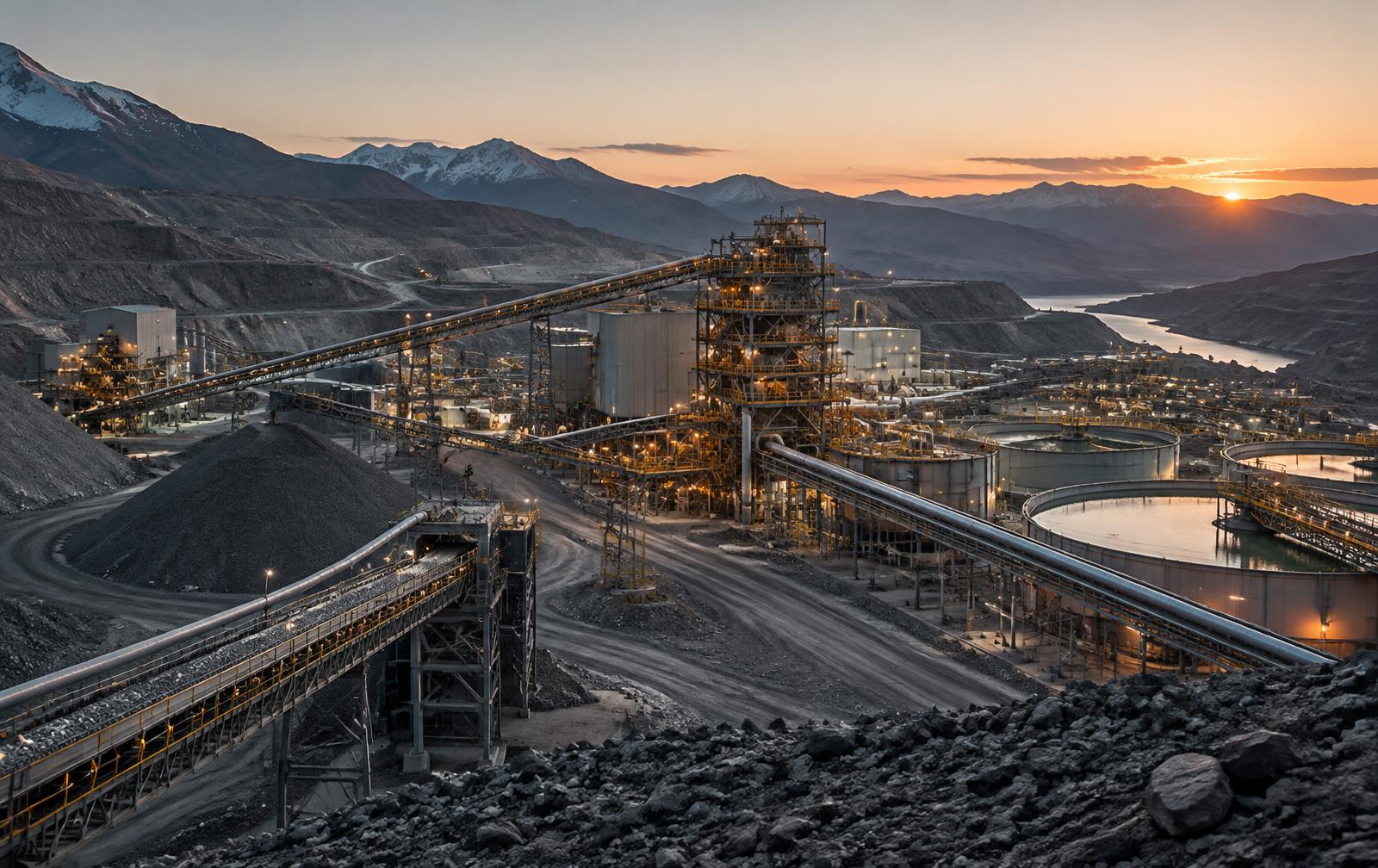
Kwinana Lithium Hydroxide Plant
An Australian attempt to move lithium conversion onshore from spodumene concentrate.
Pilgangoora
A large spodumene operation supplying conversion capacity across Asia.
Salar de Atacama
The highest-grade and most productive lithium brine resource in the world.
Thacker Pass
The largest known lithium resource in the United States, hosted in claystone.
Related intelligence
Related minerals
Graphite
Crystalline carbon and the dominant anode material in every commercial lithium-ion cell.
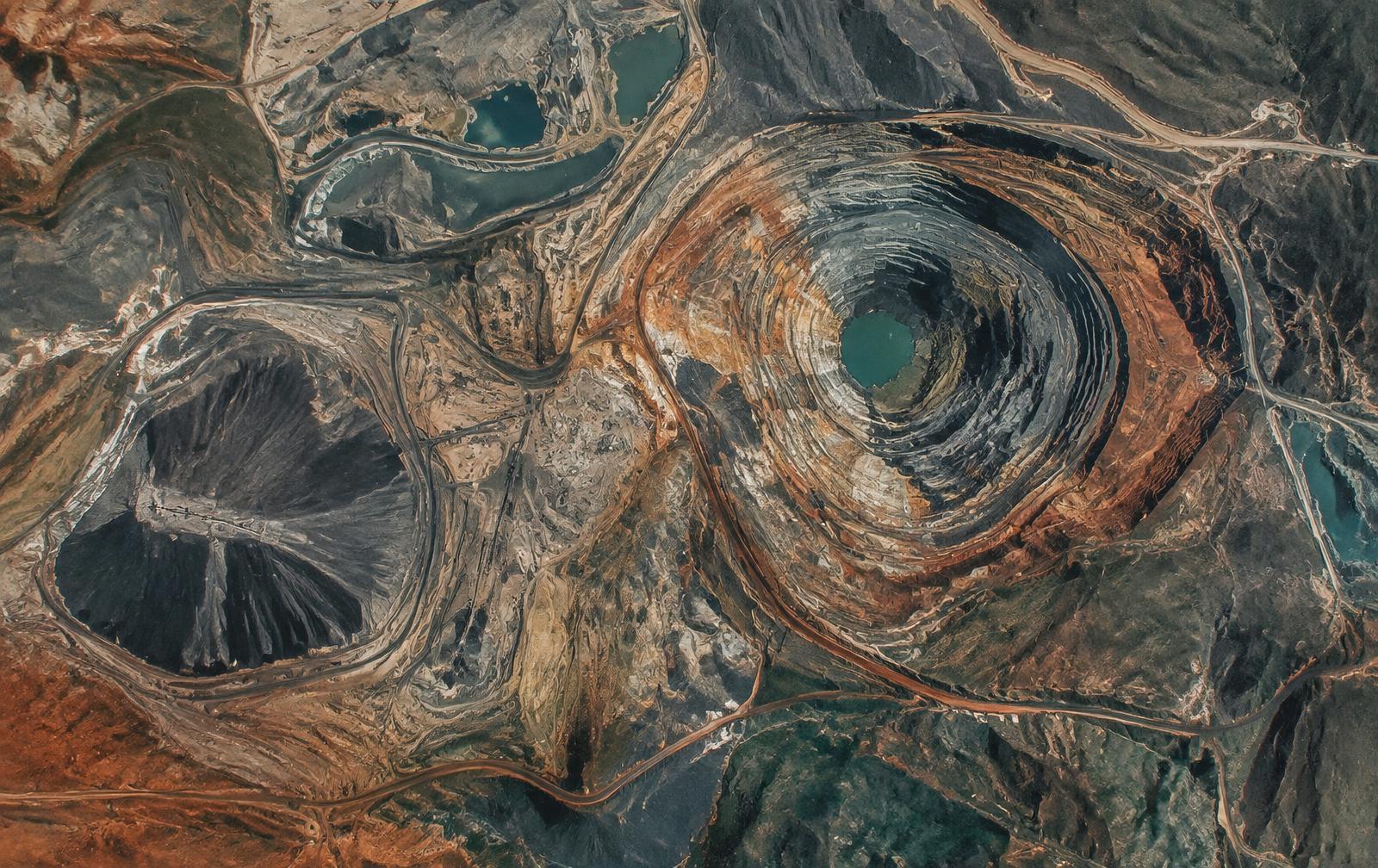
Cobalt
A cathode stabiliser that improves battery energy density and cycle life, produced mostly as a copper by-product.
Nickel
A corrosion-resistant metal essential to stainless steel and to high-energy-density battery cathodes.
Manganese
An essential steel additive and a growing battery cathode component.