Cobalt
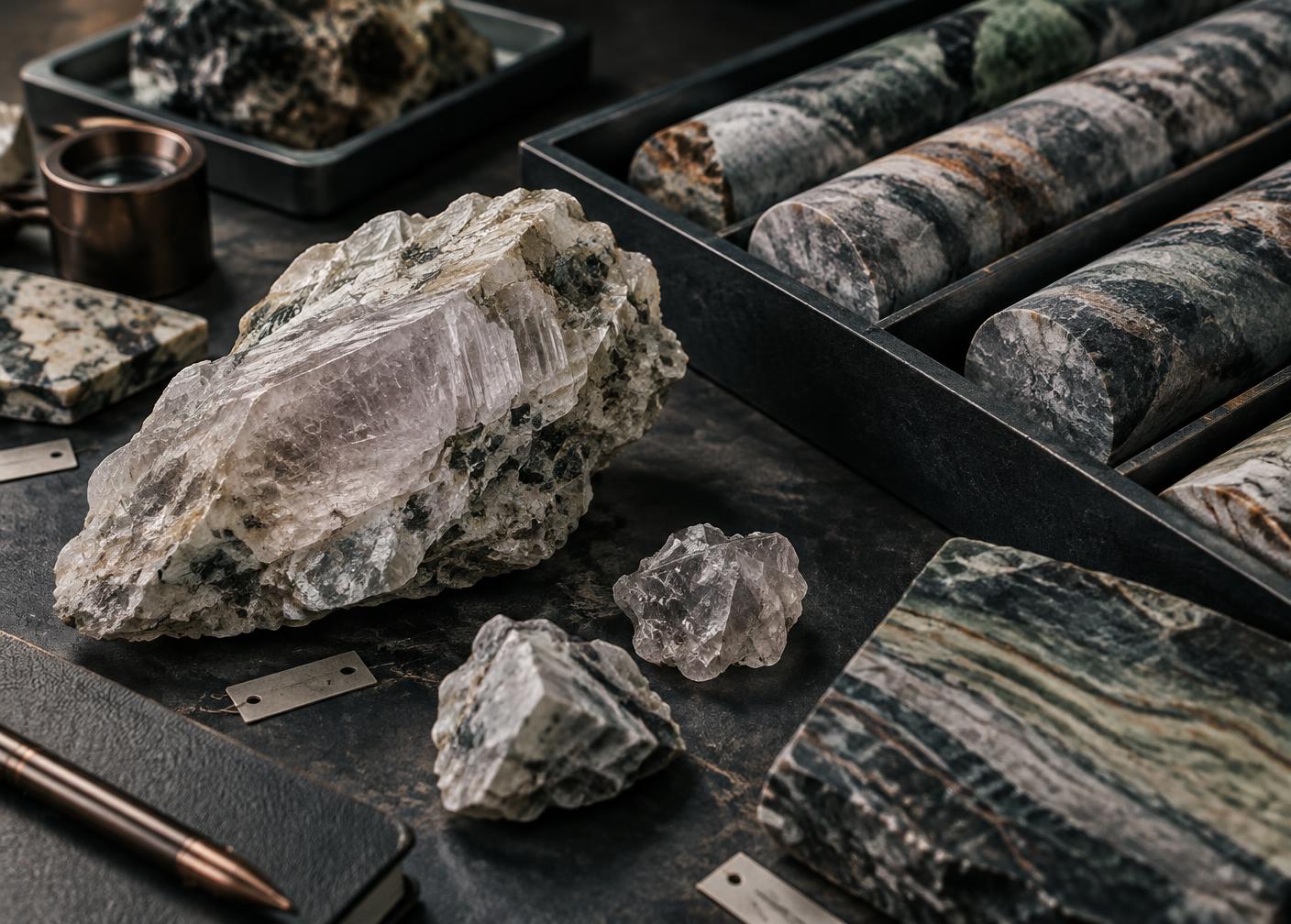
A cathode stabiliser that improves battery energy density and cycle life, produced mostly as a copper by-product.
Why it matters
Cobalt is the clearest example of a mineral where the supply risk is less geological than jurisdictional and ethical.
Supply and sustainability
- Applications
- Battery cathodes, Superalloys, Catalysts, Magnets and hard metals
- Supply risk
- High. Around three-quarters of mine supply comes from a single country and most refining occurs in China.
- Geopolitics
- The DRC dominates mining; Chinese companies control much of the DRC production base and nearly all refining capacity.
- Substitutes
- Thrifting is well advanced — high-nickel and LFP chemistries have sharply reduced cobalt intensity per vehicle.
- Recycling
- Growing. Cobalt is the most economically attractive battery metal to recover.
- Sustainability
- Artisanal mining raises serious human rights and child labour concerns; formalisation efforts are uneven.
- Forecast
- Demand grows more slowly than the battery market as intensity falls; supply remains concentrated.
- Key countries
- 4 tracked producer and processing roles
Earthern Strategic Score 78
Version v0.1
- Demand Outlook
- 77 (weight 1.2) — Projected demand growth relative to the broader mineral economy over the next decade.
- Supply Risk
- 71 (weight 1.2) — Likelihood of supply falling short of demand, accounting for project pipeline and lead times.
- Geographic Concentration
- 85 (weight 1) — How concentrated mining and processing are across countries and companies.
- Geopolitical Risk
- 83 (weight 1) — Exposure to export controls, sanctions and jurisdictional instability.
- Technology Importance
- 89 (weight 1.1) — How central the mineral is to strategically important technologies.
- Strategic Importance
- 80 (weight 1) — Recognition in national critical mineral lists and defence supply chains.
- Substitutability
- 68 (weight 0.8) — How readily the mineral can be replaced without material performance loss. Higher is harder to substitute.
- Recycling Potential
- 72 (weight 0.7) — Ability of secondary supply to relieve primary demand. Higher means less relief available.
Mines, projects and refineries
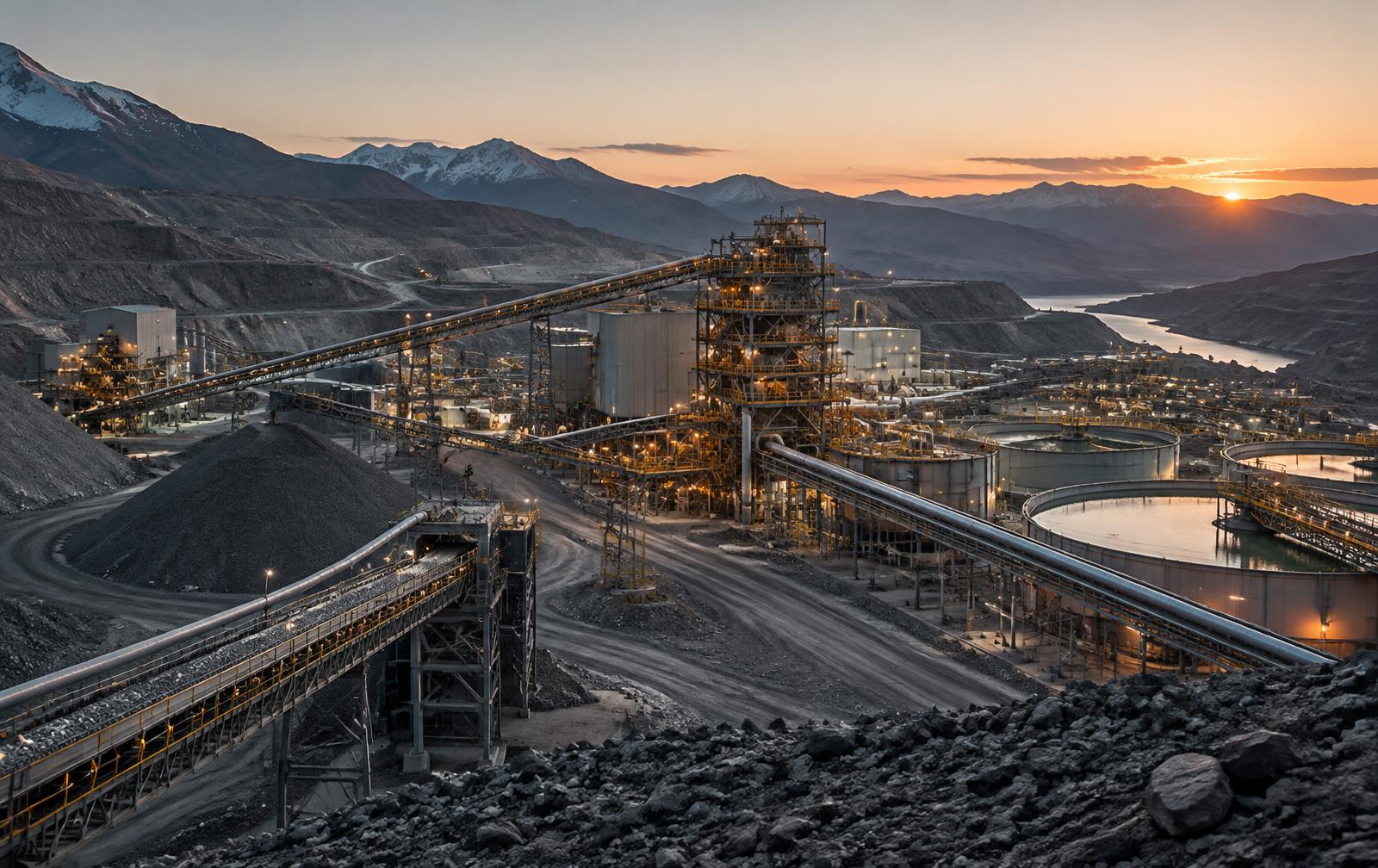
Kokkola Cobalt Refinery
One of the largest cobalt refineries outside China, serving European battery makers.
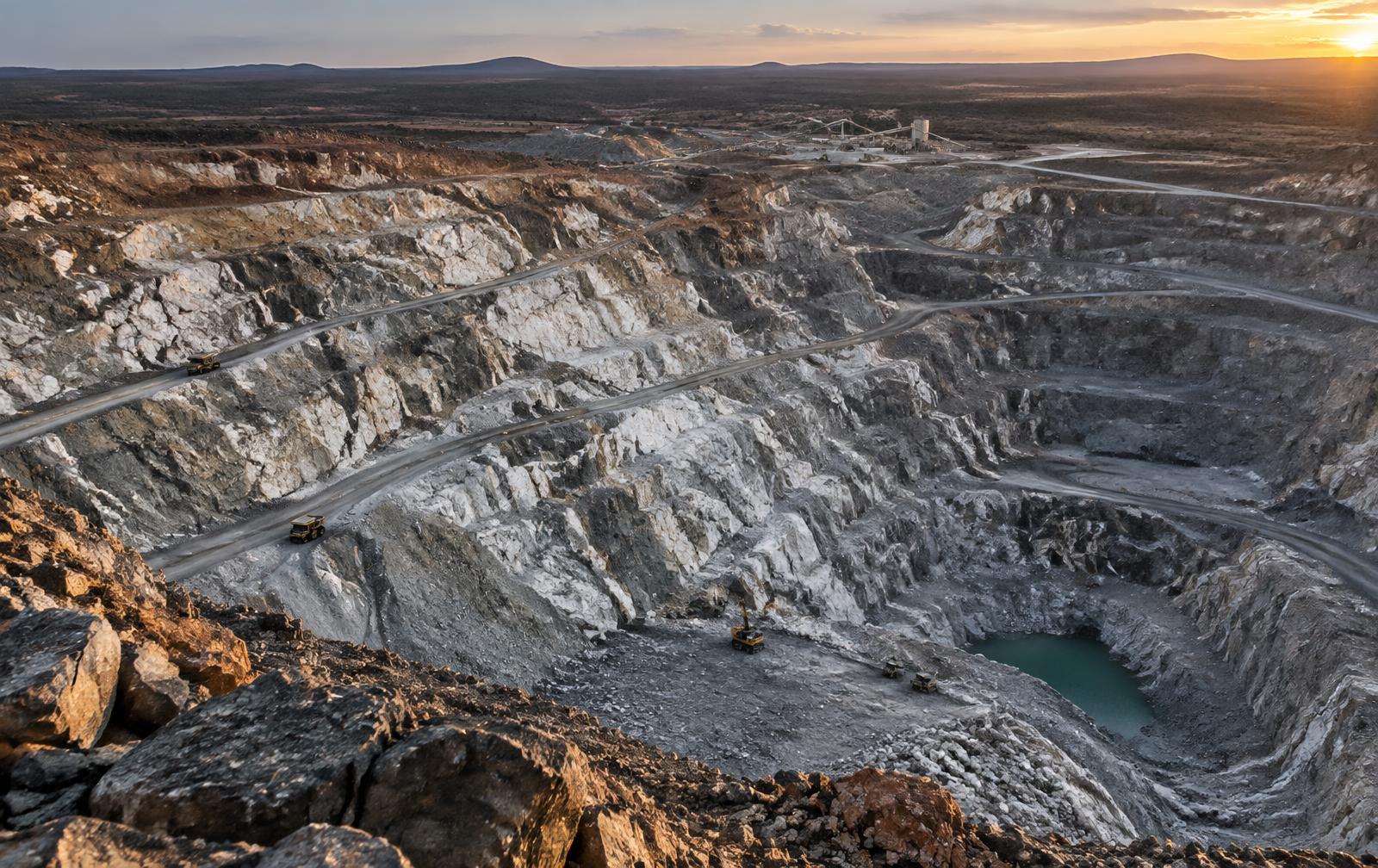
Mutanda
A very large copper-cobalt operation whose output decisions move the global cobalt market.
Tenke Fungurume
One of the largest copper-cobalt operations in the world.
Voiseys Bay
A high-grade nickel-copper-cobalt sulphide operation transitioning underground.
Related intelligence
Related minerals
Lithium
The lightest metal and the irreplaceable charge carrier in current lithium-ion battery chemistries.
Graphite
Crystalline carbon and the dominant anode material in every commercial lithium-ion cell.
Nickel
A corrosion-resistant metal essential to stainless steel and to high-energy-density battery cathodes.
Manganese
An essential steel additive and a growing battery cathode component.