Copper
Copper is the primary conductor of the electrified economy, used wherever electricity or heat must move efficiently.

Why it matters
Every unit of new electricity demand — grids, data centres, EVs, renewables — is a unit of copper demand. Supply growth is constrained by declining ore grades and long permitting timelines.
Supply and sustainability
- Applications
- Electrical grid and transformers, Data centre power distribution, EV motors and wiring, Construction and plumbing, Renewable generation
- Supply risk
- Moderate near-term, high after 2030. Grade decline at major porphyry mines and a thin pipeline of approved greenfield projects tighten the balance.
- Geopolitics
- Production is geographically diverse (Chile, Peru, DRC, Indonesia), but Chinese smelting and refining capacity concentrates the midstream.
- Substitutes
- Aluminium substitutes in some power transmission and heat exchange applications, at a conductivity penalty.
- Recycling
- High. Roughly a third of global supply is met by scrap; copper is infinitely recyclable without loss of properties.
- Sustainability
- Water use in arid Andean districts and tailings management are the dominant environmental issues; copper is also an enabler of decarbonisation.
- Forecast
- Demand growth of 2-3% annually through 2035 with a structural deficit likely from the late 2020s.
- Key countries
- 8 tracked producer and processing roles
Earthern Strategic Score 91
Version v0.1
- Demand Outlook
- 97 (weight 1.2) — Projected demand growth relative to the broader mineral economy over the next decade.
- Supply Risk
- 84 (weight 1.2) — Likelihood of supply falling short of demand, accounting for project pipeline and lead times.
- Geographic Concentration
- 91 (weight 1) — How concentrated mining and processing are across countries and companies.
- Geopolitical Risk
- 89 (weight 1) — Exposure to export controls, sanctions and jurisdictional instability.
- Technology Importance
- 93 (weight 1.1) — How central the mineral is to strategically important technologies.
- Strategic Importance
- 98 (weight 1) — Recognition in national critical mineral lists and defence supply chains.
- Substitutability
- 90 (weight 0.8) — How readily the mineral can be replaced without material performance loss. Higher is harder to substitute.
- Recycling Potential
- 81 (weight 0.7) — Ability of secondary supply to relieve primary demand. Higher means less relief available.
Mines, projects and refineries
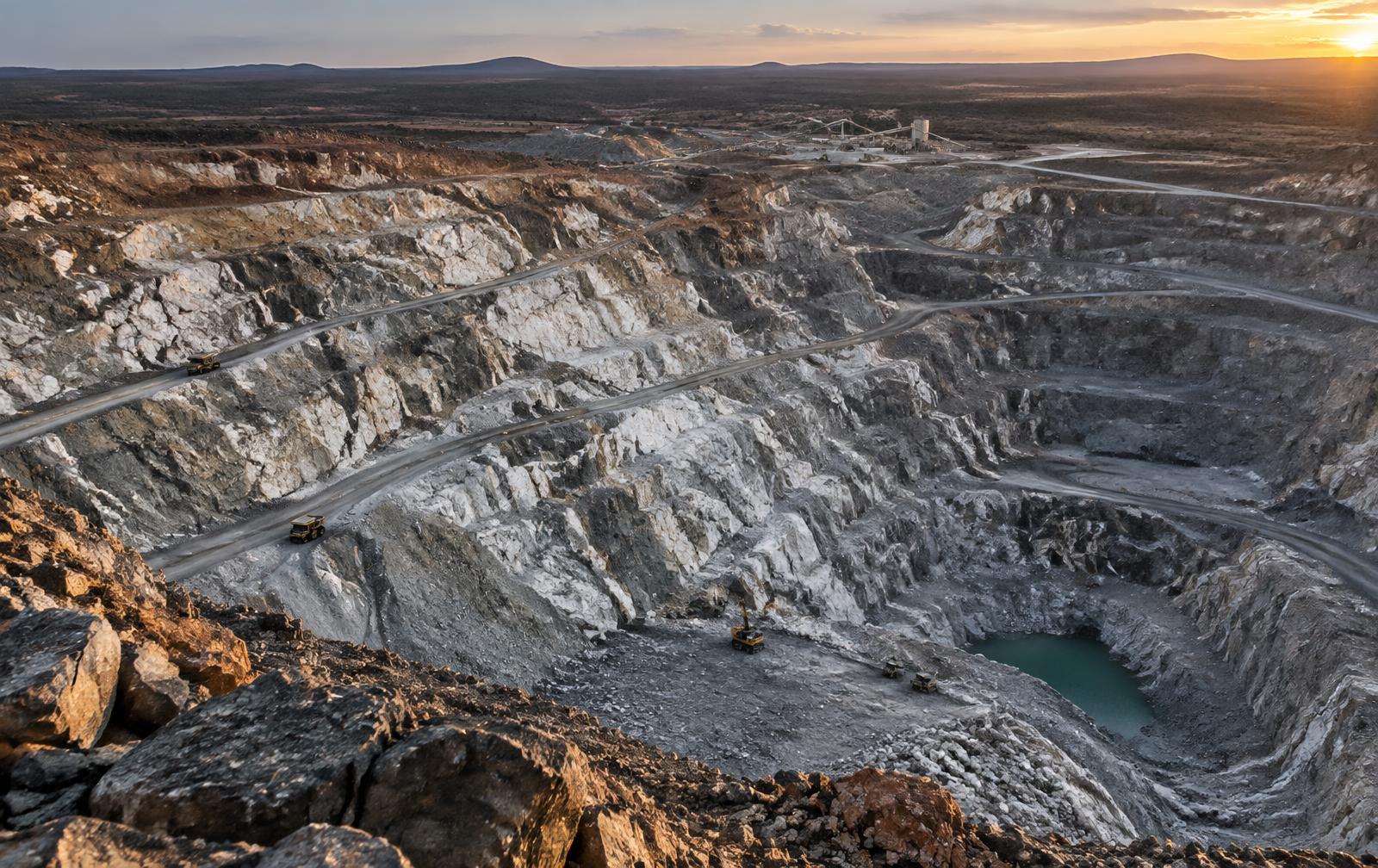
El Teniente
The largest underground copper mine in the world, in operation for over a century.
Escondida
The largest copper mine in the world by output, operating in the Atacama Desert since 1990.
Grasberg
A giant copper-gold complex transitioning from open pit to large-scale block cave mining.
Josemaria
A large copper-gold development in the Vicuna district of the high Andes.
Kamoa-Kakula
The highest-grade major copper mine in the world, powered largely by hydroelectricity.
Mutanda
A very large copper-cobalt operation whose output decisions move the global cobalt market.
Norilsk Complex
A vast Arctic nickel-copper-palladium complex and the largest palladium source globally.
Oyu Tolgoi
A giant copper-gold operation whose underground block cave makes it a top-five global copper mine.
Resolution Copper
A very large undeveloped copper deposit that could supply a quarter of US copper demand.
Related intelligence
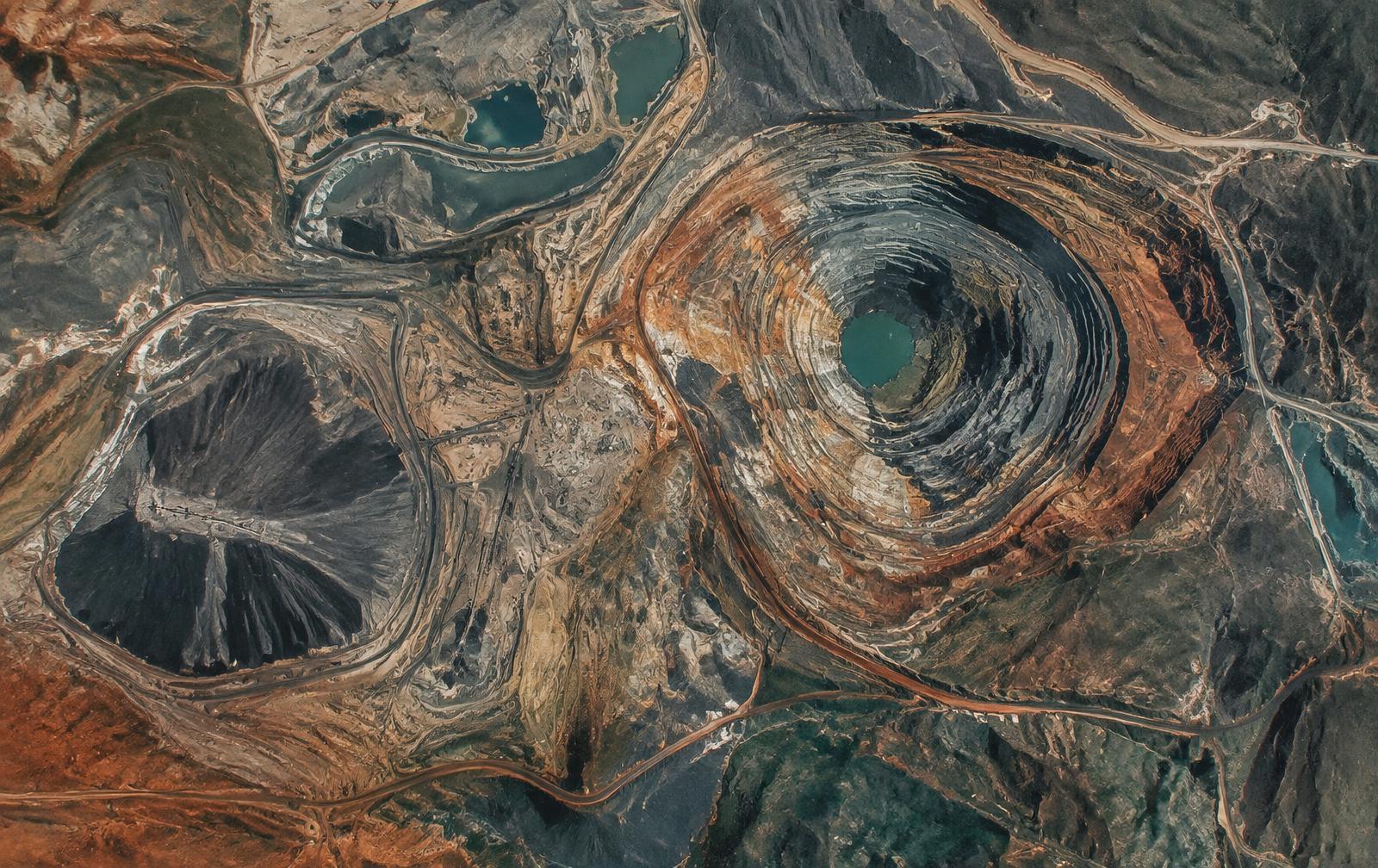
Data centre build-out is quietly reshaping the copper balance
Hyperscale campuses consume copper at a rate that grid planners are only beginning to model. The result is a demand stream that did not exist in most published copper forecasts five years ago.
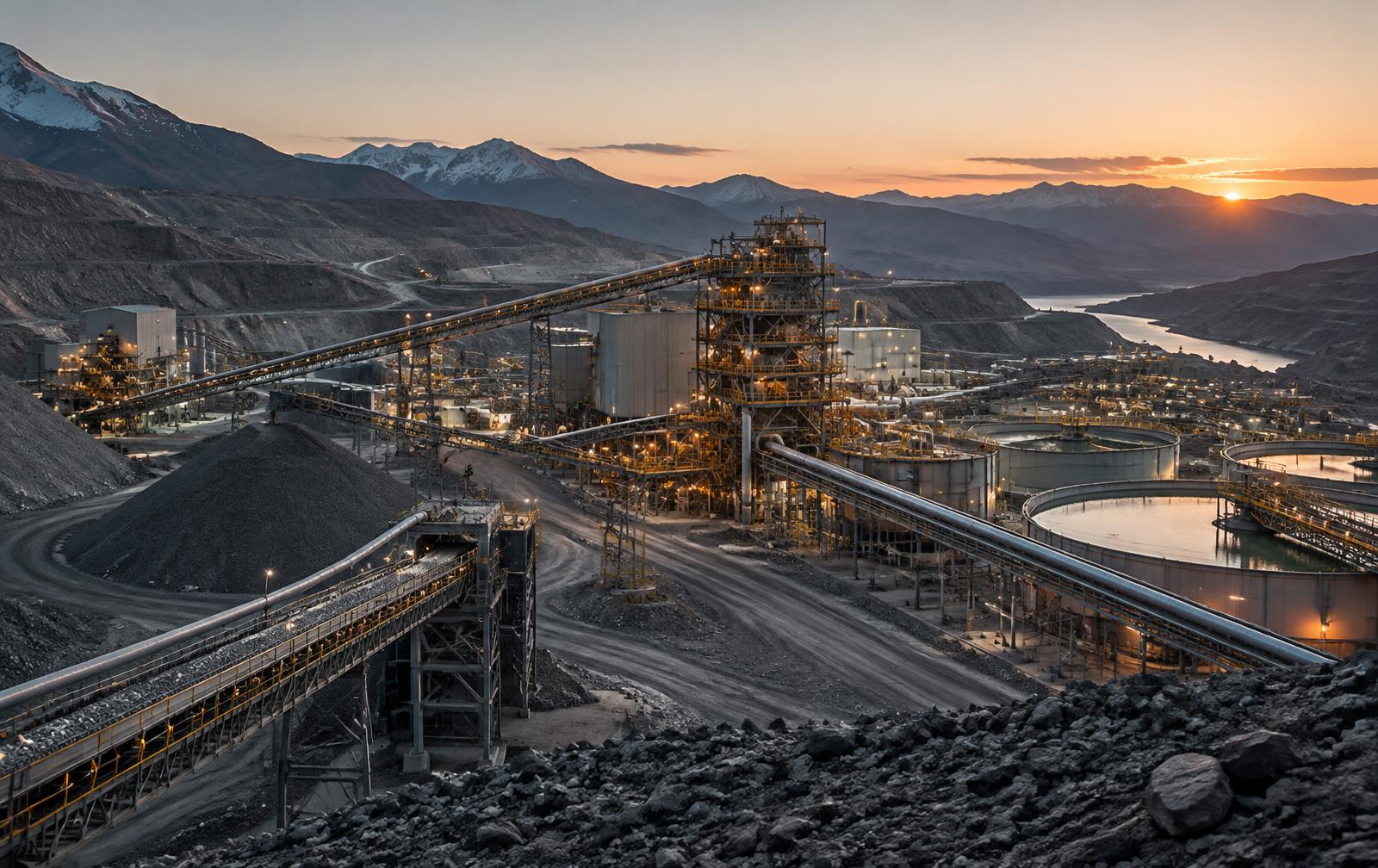
Grade decline, not permitting, is the deepest copper constraint
Every year the world mines more rock to produce the same copper.
Minerals for AI: a primer on the physical substrate of compute
AI is often described as weightless. Its infrastructure weighs a great deal.