Uranium
The fuel of nuclear fission and the densest practical energy source available to civilisation.
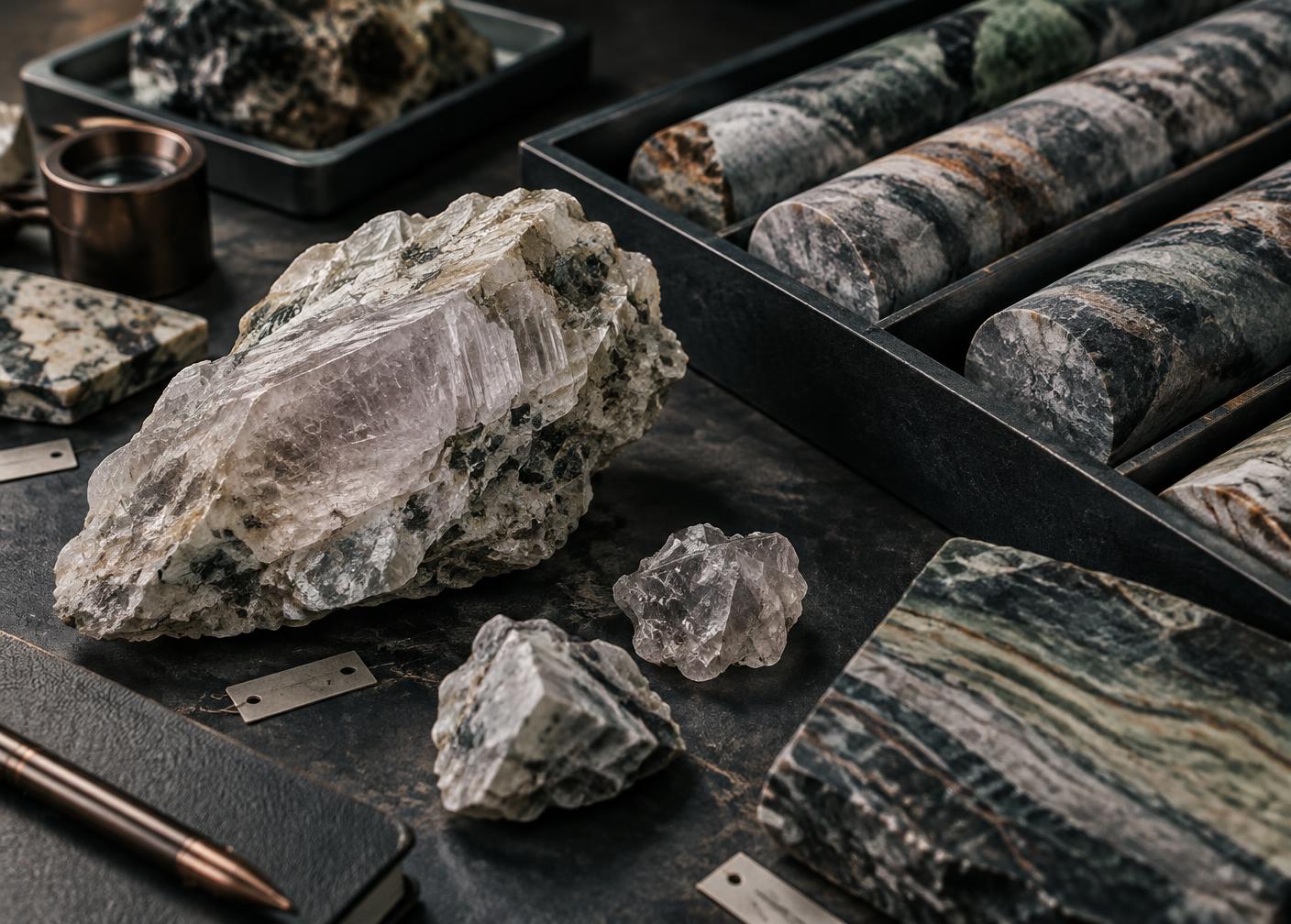
Why it matters
Nuclear is re-emerging as firm, low-carbon baseload — including for data centre power — after a decade of underinvestment in mine supply.
Supply and sustainability
- Applications
- Nuclear reactor fuel, Small modular reactors, Medical isotopes, Naval propulsion
- Supply risk
- High. Primary mine supply has run below reactor requirements for years, with the gap filled by shrinking secondary inventories.
- Geopolitics
- Kazakhstan supplies roughly 40% of mined uranium; enrichment capacity is concentrated in Russia, Europe and a growing US footprint.
- Substitutes
- No direct substitute for fission fuel; thorium cycles remain pre-commercial.
- Recycling
- Limited. Reprocessing and MOX fuel recover a share of fissile material in some jurisdictions.
- Sustainability
- Low operational carbon intensity; in-situ recovery limits surface disturbance, while legacy mining sites remain a reclamation issue.
- Forecast
- Demand supported by life extensions, new builds and SMRs; supply response requires sustained higher prices.
- Key countries
- 5 tracked producer and processing roles
Earthern Strategic Score 88
Version v0.1
- Demand Outlook
- 89 (weight 1.2) — Projected demand growth relative to the broader mineral economy over the next decade.
- Supply Risk
- 82 (weight 1.2) — Likelihood of supply falling short of demand, accounting for project pipeline and lead times.
- Geographic Concentration
- 90 (weight 1) — How concentrated mining and processing are across countries and companies.
- Geopolitical Risk
- 94 (weight 1) — Exposure to export controls, sanctions and jurisdictional instability.
- Technology Importance
- 91 (weight 1.1) — How central the mineral is to strategically important technologies.
- Strategic Importance
- 93 (weight 1) — Recognition in national critical mineral lists and defence supply chains.
- Substitutability
- 78 (weight 0.8) — How readily the mineral can be replaced without material performance loss. Higher is harder to substitute.
- Recycling Potential
- 77 (weight 0.7) — Ability of secondary supply to relieve primary demand. Higher means less relief available.
Mines, projects and refineries
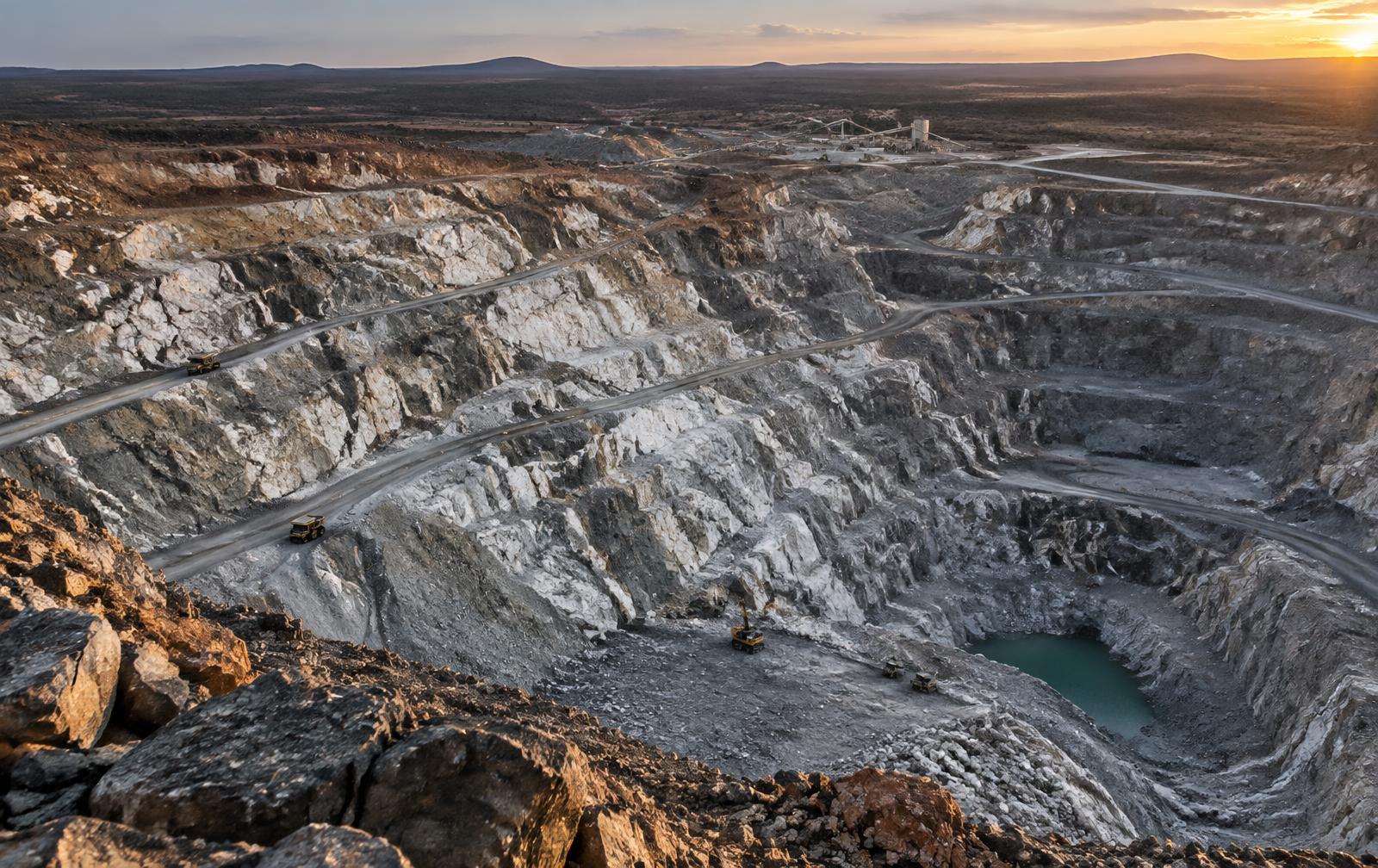
Arrow
A very large, high-grade undeveloped uranium deposit in the Athabasca Basin.
Cigar Lake
A high-grade uranium mine using jet boring in ground-frozen conditions.
Inkai
A very large in-situ recovery uranium operation in southern Kazakhstan.
McArthur River
The largest high-grade uranium mine in the world, in the Athabasca Basin.
Related intelligence
Data centre build-out is quietly reshaping the copper balance
Hyperscale campuses consume copper at a rate that grid planners are only beginning to model. The result is a demand stream that did not exist in most published copper forecasts five years ago.
Uranium supply gap widens as reactor demand firms
Years of underinvestment in mine supply meet renewed reactor demand, including from compute.
Minerals for AI: a primer on the physical substrate of compute
AI is often described as weightless. Its infrastructure weighs a great deal.